
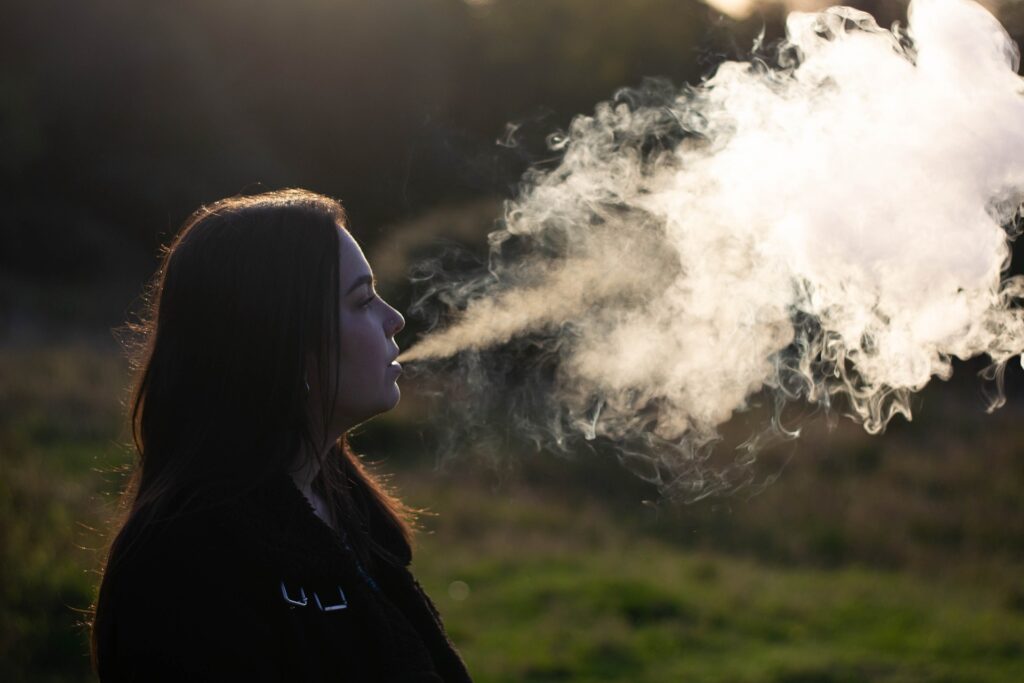

The Tobacco and Vapes Bill has become an Act after completing its passage through Parliament and receiving Royal Assent. The law makes it illegal to sell tobacco products to children born on or after 1 January 2009, from January 2027. The Act also gives the government powers to restrict vaping as well as extend smoke-free places to certain outdoor areas such as in children’s playgrounds and outside schools.
A government consultation on the Tobacco and Vapes Act regulations, that will extend smoke-free laws and introduce vape-free places has been underway since February and is due to be completed in early May. The government said that it planned to use its powers as soon as reasonably practicable.
The Children’s Commissioner for England, Dame Rachel de Souza, said: “This is a landmark moment in protecting children from addiction and the lifelong harms caused by smoking and vaping.”
Chief Medical Officer for England, Professor Sir Chris Whitty, added: “Marketing vapes at children is utterly unacceptable and this act takes powers to restrict it.”
The gradual increase in the age that cigarettes can be sold, until nobody can buy a tobacco product, was recommended in an independent review by Dr Javed Khan OBE published in 2022. This supported the Conservative government’s 2019 objective for England to be smokefree by 2030. To have any chance of hitting the smokefree 2030 target, Khan said then it was necessary to accelerate the rate of decline of people who smoke, by 40%.
Conservative Prime Minister Rishi Sunak originally introduced the legislation but it was lost when he called a general election in 2024. The Labour government reintroduced the bill in November 2024 and proposed strengthening some measures, particularly in relation to vaping. The Khan report recommended promoting vaping as a way to help smokers quit smoking. This is an agreed benefit of vaping, but since 2022 there has been a growing concern about the numbers of young people who have never smoked, taking up vaping. The government banned disposable vapes last year after it said they had driven up vape sales to young people and caused environmental damage.
Research carried out by the Department of Behavioural Science and Health, University College London, found 19% of 18-year-olds in April 2024 who vaped had never been regular smokers. The public health charity ASH states that youth vaping rates overall rose sharply between 2021 and 2023 but have now levelled off. Its studies show around 7% of 11–17-year-olds currently vape and 20% have tried vaping.
We have been supporting schools that have faced the challenge of students that are vaping by supplying an advanced vape detector. This law should help schools to manage the problem over time. However, if you manage a secondary school that is struggling with vaping among students right now, we can demonstrate how HALO Smart Sensors can help. If you want to know more, please get in touch.