

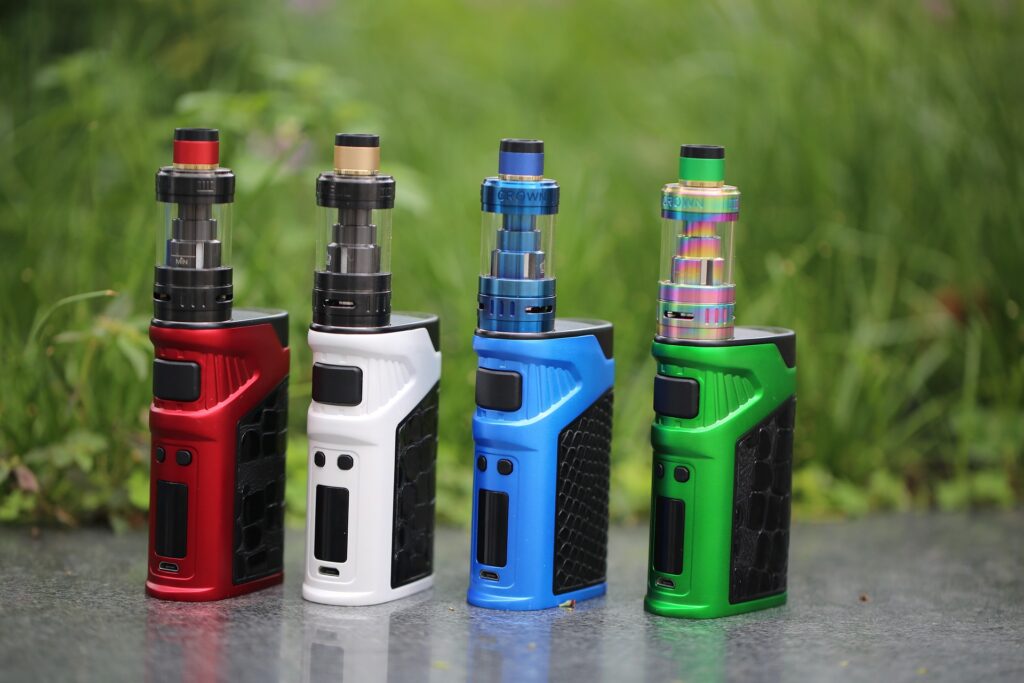
While law enforcement bodies and local authorities are taking action against illicit vapes, the Tobacco and Vapes Bill has completed its committee stage in the Lords and the report stage will begin soon. At that point, peers will be able to add amendments to the Bill. As well as introducing a ban on selling tobacco to anyone born after 1 January 2009, the Bill will introduce restrictions on the marketing of vapes to children.
As the legislation gets closer to receiving Royal Assent and becoming law there has been a continued attempt by interest groups to oppose the Bill countered by public health experts that are urging for its swift passage through the Lords. At the end of October 1200 public health professionals published an open letter calling for politicians from all parties in the Lords to back the legislation.
Meanwhile, the chairman of C-Talk, Paul Cheema, that provides news for independent retailers, is spearheading a campaign against the Bill. He says that it will hurt independent retailers and drive more customers to illicit cigarettes and illegal vapes instead.
As reported previously, there has been a crack down nationally on illicit vapes in recent months. In Bromsgrove Worcestershire, where Ecl-ips is based, three shops were closed down in November by magistrates. This followed an inspection of the shops by Worcestershire Trading Standards officers, supported by West Mercia Police and Worcestershire Regulatory Services.
Kidderminster Magistrates Court heard how test purchasing and inspections at the three premises identified ongoing illegal activities. The value of the illicit products totalled around £23,000, but if the equivalent compliant items had been sold lawfully the worth would be over £45,000.
Warnings about dangers of Vape explosions
Separately, waste management firm, Suez, has warned about the dangers of wrongly-discarded vapes, and other lithium batteries, with reports that it had seen 339 fires this year, more than one a day, putting workers in danger and causing damage worth millions of pounds.
This came after a similar warning in September from another waste management company, Biffa. Roger Wright, waste strategy and packaging manager, spoke to the BBC about the growing impact of battery fires on the UK waste system. Any lithium battery can explode once damaged and Biffa said it puts their workers at risk and costs the waste industry around £1bn each year.
A ban on disposable vapes came into force in June with the aim of reducing littering and to encourage recycling. However, waste companies suggest that consumers are even binning reusable vapes after one or two uses. Recently, Suez announced it was beginning kerbside collections of vapes and batteries in Doncaster in a bid to take action in response to the surge in fires. Households in the city can now put the items in a clear bag on top of their recycling bin and it was hoped that it would boost recycling rates and keep waste collection crews safer.
Under the changes introduced in June all vape retailers must offer a ‘take back’ service. This means they should accept vapes and vape parts (such as used pods, coils or batteries) that customers return for recycling. Legal action can be taken against retailers if they do not have a safe way to recycle vapes and vape parts.
Helping schools to combat vaping
We know that vaping among young people continues to be a concern and can cause disruption within schools, in particular. Additionally, research in 2023, by the non-profit organisation Material Focus, found that younger vapers were more likely to throw away their disposable vapes irresponsibly, admitting they did this to hide their habit from others. The study found that 31% of 16–18-year-old vapers tended to throw away, drop or even flushed their vapes down the toilet because they did not want the people, they live with to know they vape – compared to 8% of the population.
We offer an advanced vape detector, the HALO Smart Sensor, that can help to support schools to reduce vaping within their toilets and stop the damage that can occur if students dispose of the vapes inappropriately. We are aware of schools that have been hit by hefty plumbing bills of up to £25,000 due to the discarding of vapes down the toilets. Read our case studies to find out more about how the smart sensors have helped schools or contact us.